Gel vs. Resin Nails: Which Is Better for Your Manicure?
When you sit down for a nail enhancement, one of the first choices is the material. The two most common options are gel and resin—often called acrylic. Both can add length, strength, and shape. Both can look beautiful. But they behave differently, cure differently, and suit different needs. Understanding those differences helps you choose the right system for your nails, your lifestyle, and your budget.
What Is Gel?
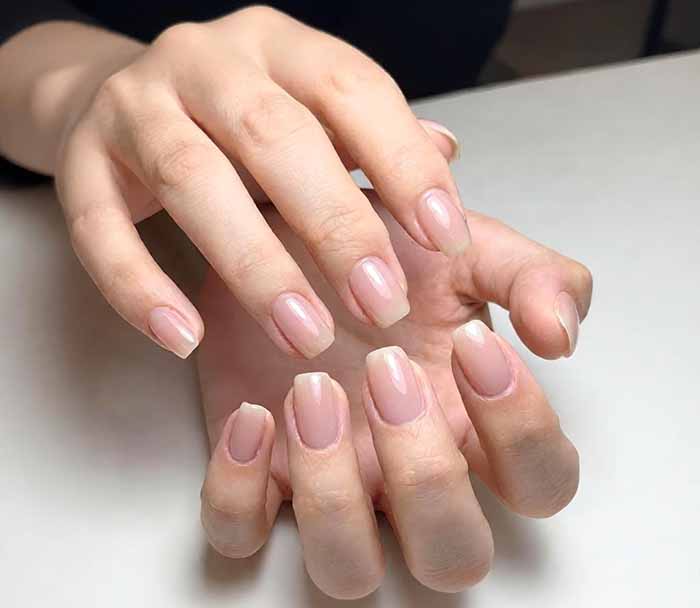
Gel is a pre-mixed liquid or thick gel that hardens only under a UV or LED lamp. It contains photoinitiators that react to light. When the lamp shines on the gel, a chemical reaction called polymerisation turns the soft gel into a hard, glossy layer. Gel comes in many forms: base coat, colour gel, builder gel, hard gel, and top coat. It stays workable until you cure it, so the technician can shape and refine it without rushing.
How Gel Is Applied
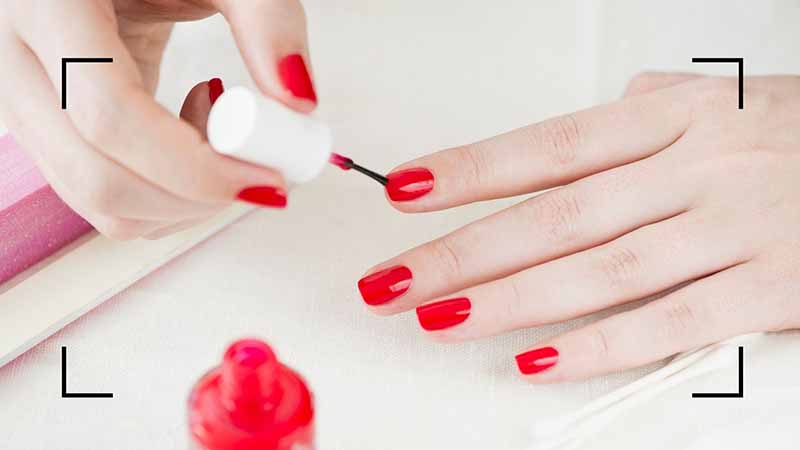
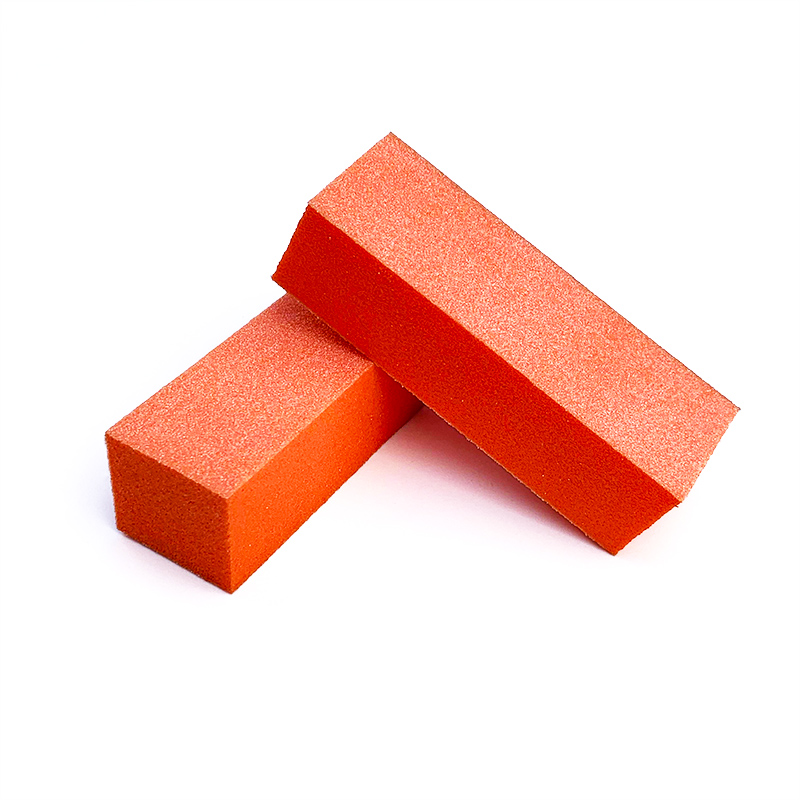
The natural nail is cleaned, shaped, and lightly buffed with a fine-grit buffer block. A dehydrator removes oils. A primer may be applied. A thin base coat is brushed on and cured under the lamp. Then builder gel or colour gel is applied in thin layers, with curing between each layer. The technician builds the apex, shapes the sidewalls, and creates the desired length. Each layer is cured for 30 to 60 seconds under an LED lamp, or about two minutes under UV. Finally, the nail is filed, buffed, and sealed with a gel top coat. The entire process is odour-free and relatively gentle on the nail plate.
Advantages of Gel
Gel looks natural and glossy. It is lighter and more flexible than acrylic, so it feels comfortable on the nail. It has no strong chemical smell. It cures instantly under the lamp, so there is no waiting for air-drying. Soft gel can be soaked off with acetone, which is gentler than filing off hard product. Gel also maintains its shine well and resists yellowing. It is a good choice for clients who want a natural look or who are sensitive to strong odours.
Disadvantages of Gel
Gel requires a lamp, which is an added cost for home users. It must be cured correctly; under-cured gel lifts and peels. Hard gel cannot be soaked off and must be filed, which requires skill. Gel is generally less strong than acrylic for very long extensions. It can also be more expensive than acrylic in some salons. And like all acrylate products, uncured gel on the skin can cause allergic reactions over time.
What Is Resin?
In nail care, “resin” usually refers to acrylic resin—the system that combines a liquid monomer with a powder polymer. The liquid and powder are mixed to form a soft bead. The bead is sculpted onto the nail or over a tip. It hardens in the air through a chemical reaction, not under a lamp. The result is a strong, rigid enhancement that can be filed and shaped with sanding bands.
How Resin Is Applied
The natural nail is prepped, buffed, and cleansed. A primer is applied. If extensions are needed, tips or forms are placed. The technician dips a brush into the liquid monomer and then into the powder polymer to form a bead. The bead is placed on the nail and sculpted into shape. The acrylic hardens within minutes. The technician files and shapes the nail, then applies polish or a top coat. The process has a strong odour from the monomer, and it requires quick, confident work because the product sets fast.
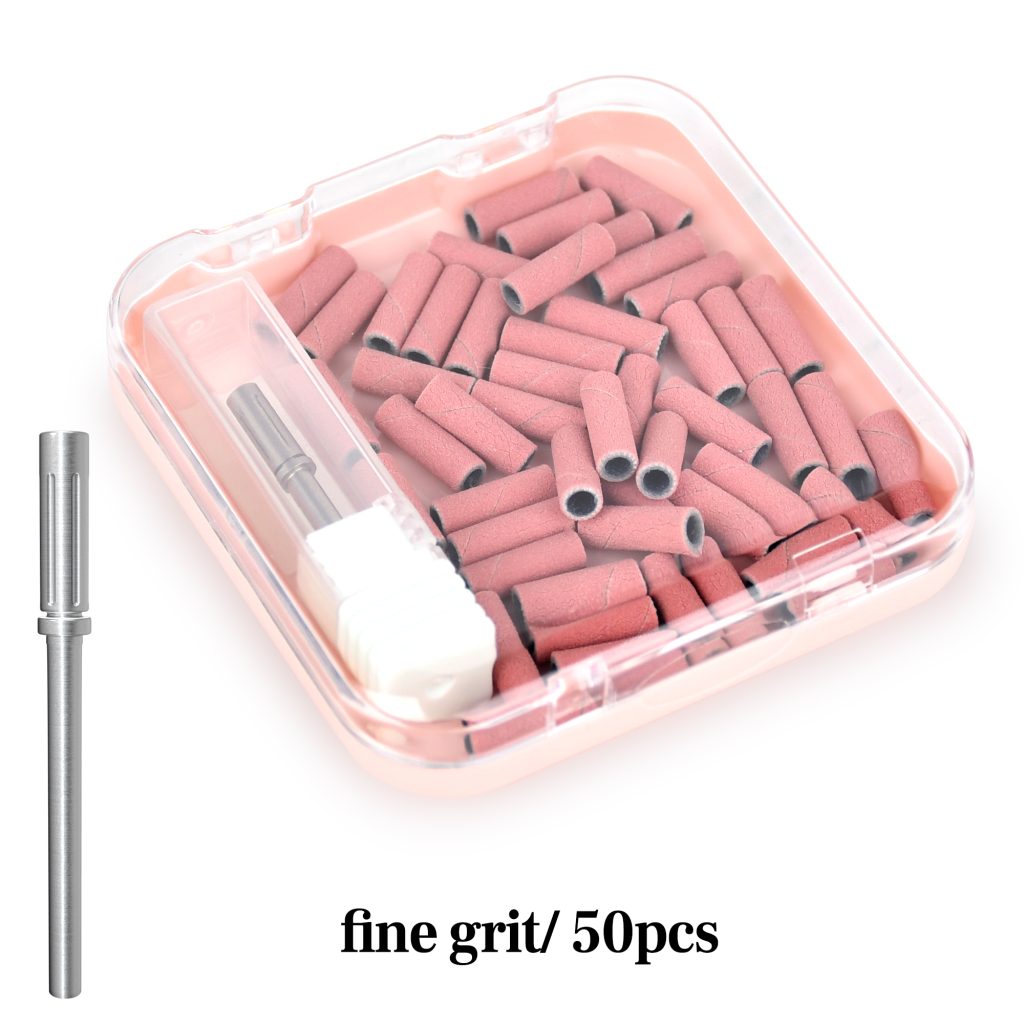
Advantages of Resin
Acrylic resin is extremely strong and durable. It is the best choice for dramatic length, extreme shapes, and clients who are hard on their hands. It is also more affordable than gel in many salons. It can be repaired easily if a nail cracks. It does not require a lamp. It is available in many colours and can be used with glitter, pigments, and nail art. For clients who need maximum strength, acrylic is often the top choice.
Disadvantages of Resin
Acrylic has a strong chemical smell during application. It is rigid and less flexible than gel, so it can snap under pressure if the nail is long. It must be filed off or filled; it cannot be soaked off. Improper removal or aggressive filing can damage the natural nail. It is also more likely to cause allergic reactions if the liquid touches the skin repeatedly. The application requires skill and speed, so it is less beginner-friendly.
Gel vs. Resin: How to Choose
The right choice depends on your priorities.
Choose gel if you want a natural look, a lightweight feel, an odour-free application, and easier soak-off removal. Gel is ideal for short to medium nails, for clients with sensitive noses, and for anyone who wants a glossy, flexible finish. It is also a good option for home users who are willing to invest in a good lamp and learn proper curing.
Choose resin if you need maximum strength, long extensions, or dramatic shapes. It is a practical choice for clients who are rough on their hands or who want a durable set at a lower price. It is also good for intricate nail art that requires a strong base.
If you have weak or damaged nails, gel may be gentler, especially soft gel that can be soaked off. If you have strong natural nails and want length, acrylic may hold up better. If you are unsure, ask a reputable technician to assess your nails. A patch test is also wise if you have sensitive skin or a history of allergies.
Final Thoughts
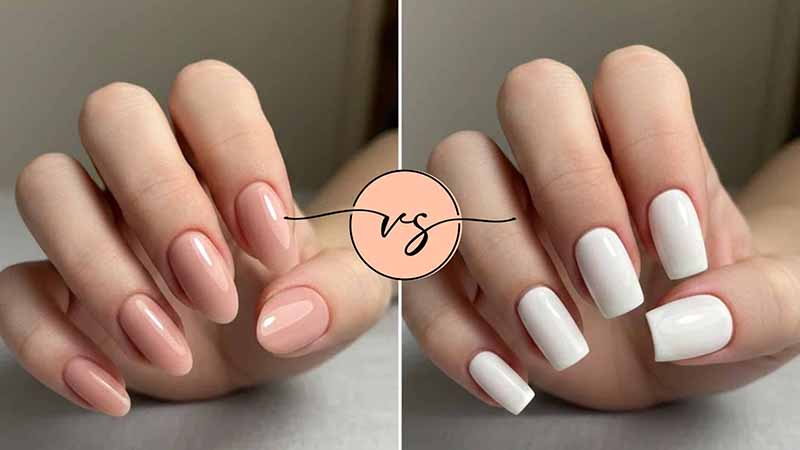
Gel and resin are both excellent enhancement systems. Gel is softer, lighter, glossier, and odour-free. Resin is stronger, more affordable, and better for dramatic length. Neither is universally “better.” The best choice is the one that matches your nail type, your lifestyle, and your tolerance for maintenance. Whichever you choose, proper preparation, careful application, and safe removal are the keys to healthy, beautiful nails.
Read also: The Guide to Resin Nail Refills: Why, When, and How to Maintain Your Enhancements